
Tools of the Trade among Brewery Cleaners
Maintaining strict sanitation standards is one of the most important responsibilities within any brewing operation. From fermentation tanks to packaging lines, every piece of equipment must remain free of contaminants that could affect the flavor, aroma, and safety of the final product. Because beer is highly sensitive to microbial activity, even small traces of bacteria, residue, or mineral buildup can disrupt the brewing process and compromise an entire batch.
Modern breweries rely on carefully designed cleaning programs supported by skilled staff and specialized equipment. Brewery cleaners work with a combination of manual tools, chemical agents, and advanced technology to ensure that brewing environments remain sanitary and efficient. Their work protects product quality, supports regulatory compliance, and helps breweries maintain strong reputations among customers who expect consistency in every pour.
Understanding the tools and methods used throughout brewery sanitation provides valuable insight into how breweries maintain their high standards. From basic brushes and washers to automated cleaning systems and sustainable practices, these tools form the backbone of modern brewery maintenance.
Maintaining Sanitary Brewing Environments
Cleanliness plays a direct role in preserving beer quality. Brewing ingredients such as malt, hops, yeast, and water interact through delicate chemical and biological processes, and contamination can easily disrupt those reactions. Bacteria, wild yeast, and leftover residues from previous batches can introduce off-flavors, unpleasant aromas, or spoilage. Preventing these problems requires consistent sanitation procedures carried out by trained brewery cleaners who understand how contaminants behave inside brewing systems.
Regulatory compliance also drives strict sanitation practices. Breweries must meet safety and quality guidelines established by government agencies and industry organizations. Inspections often examine cleaning procedures, sanitation logs, and chemical usage to ensure that facilities maintain hygienic environments. A strong cleaning routine helps breweries remain compliant while reducing the risk of costly product recalls or operational disruptions.
Consumer expectations further reinforce the importance of sanitation. Craft beer enthusiasts and casual drinkers alike expect consistent flavor and quality from the brands they trust. Even a small sanitation failure can damage a brewery's reputation, which is why many companies invest heavily in training and equipment that allow brewery cleaners to maintain dependable cleaning schedules.
Using Essential Manual Cleaning Tools
Despite technological advancements, many brewery sanitation tasks still rely on simple and dependable manual tools. Brushes and scrubbers remain essential for removing residue from tanks, pipes, and surfaces. Specialized brushes are designed for different areas, including long-handled tank brushes, bottle brushes for narrow openings, and sturdy floor brushes that remove sticky spills or grain debris. These tools allow brewery cleaners to physically break up stubborn deposits that automated systems might not reach.
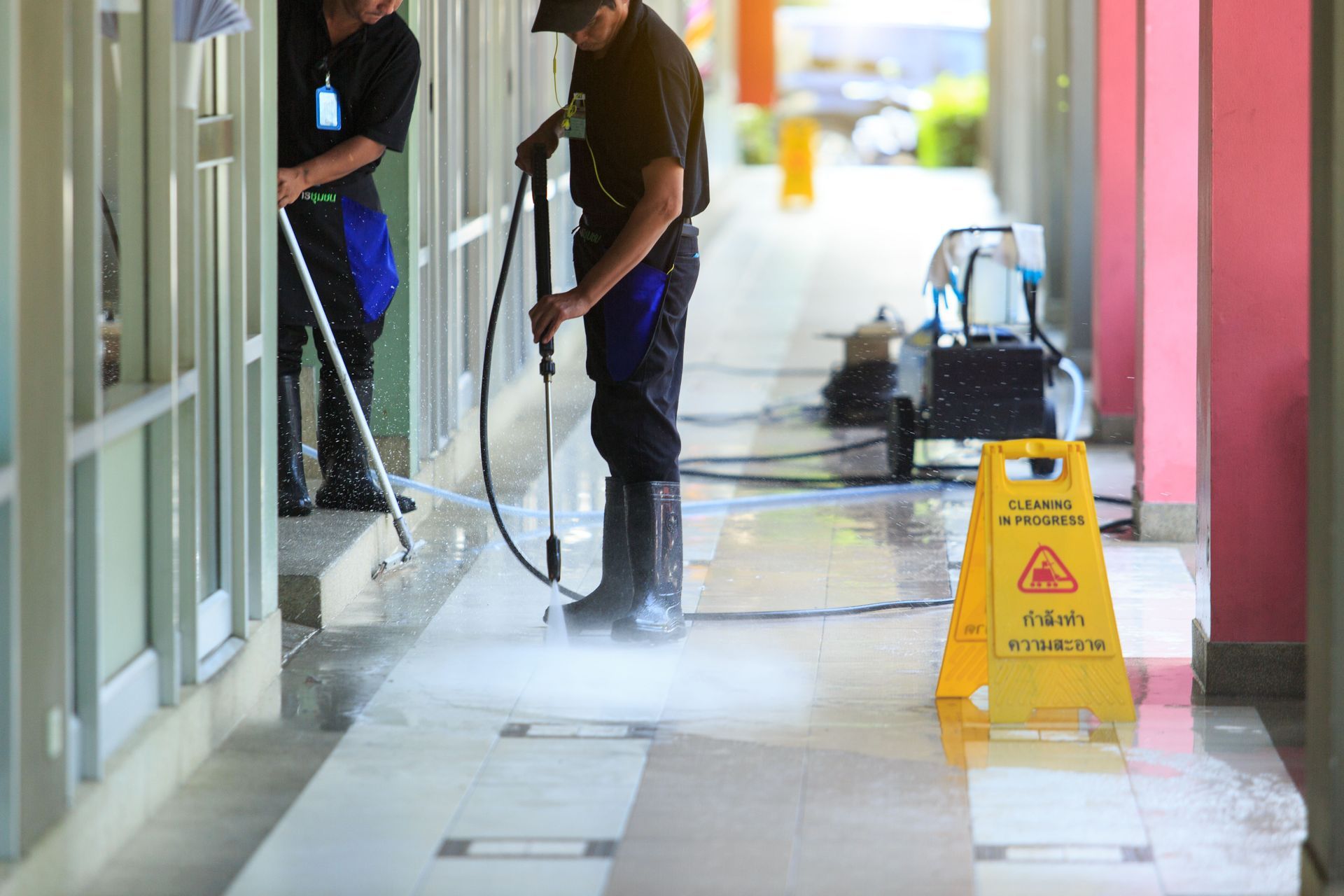
High-pressure washers are another staple of brewery sanitation. By directing powerful streams of water at equipment surfaces and floors, these machines quickly dislodge grime and buildup. Adjustable pressure settings allow operators to tailor cleaning intensity for delicate components or heavy-duty areas such as brewhouse floors. Pressure washers significantly reduce cleaning time while improving overall efficiency.
Supporting tools such as microfiber cloths, mops, buckets, squeegees, and scrapers help complete routine cleaning tasks. Microfiber materials capture small particles and polish surfaces without scratching sensitive components, while squeegees remove water from floors to reduce slip hazards. Though simple, these tools remain essential in the daily workflow of brewery cleaners because they provide flexibility and precise control when handling different cleaning situations.
Applying Effective Cleaning Chemicals
Chemical cleaning agents are critical for breaking down residues that manual scrubbing alone cannot remove. Alkaline cleaners are widely used in breweries because they dissolve organic materials such as proteins, sugars, and fats that accumulate during brewing. Caustic soda is one of the most common solutions used in brewing sanitation systems. According to BrewingScience.com, Caustic soda - a common cleaning agent in breweries - can be used for clean-in-place procedures for 15 to 30 minutes.
Acid-based cleaners complement alkaline solutions by targeting mineral scale and inorganic deposits that build up inside tanks and pipes. Regular use of these products helps maintain the efficiency of heat exchangers, kettles, and other equipment exposed to mineral-rich water. Alternating between alkaline and acid cleaning cycles ensures that both organic and inorganic contaminants are removed.
Sanitizers and disinfectants form the final step of many cleaning procedures. These chemicals eliminate microorganisms that may survive earlier cleaning stages, helping protect beer from spoilage during fermentation and packaging. Brewery cleaners must carefully measure concentrations and contact times to ensure sanitizers remain effective while preventing chemical residues from entering the brewing process.
Implementing Advanced Cleaning Technologies
Automation has significantly improved sanitation efficiency in modern brewing facilities. Clean-in-place systems allow interior surfaces of tanks, pipelines, and processing equipment to be cleaned without disassembly. Pumps circulate cleaning solutions through the system in controlled cycles, removing residue and sanitizing surfaces while minimizing labor requirements. These systems help brewery cleaners maintain consistent sanitation while reducing production downtime.
Ultrasonic cleaning technology offers another effective solution for maintaining small or complex equipment components. High-frequency sound waves generate microscopic bubbles within a cleaning solution, which collapse and release energy that dislodges contaminants from intricate surfaces. This method allows breweries to clean delicate parts thoroughly without causing mechanical damage.
Some facilities are also experimenting with automated robots and sensor-based monitoring systems. Robotic cleaning units can navigate brewery floors to scrub surfaces or apply sanitizing solutions, while smart sensors monitor equipment cleanliness and trigger cleaning cycles when needed. These innovations provide additional support for brewery cleaners by improving precision, reducing manual labor, and ensuring sanitation routines remain consistent.
Adopting Sustainable Cleaning Practices
Environmental responsibility is becoming an increasingly important consideration for breweries. Cleaning processes can consume large amounts of water and chemicals, prompting many facilities to adopt more sustainable practices. Biodegradable cleaning products are gaining popularity because they break down more easily after use, reducing the environmental impact of wastewater discharged from brewing operations.
Water conservation is another priority in brewery sanitation. High-efficiency spray systems, recirculating rinse water, and optimized cleaning cycles help reduce overall water consumption while still achieving thorough sanitation. Many breweries track water usage carefully to identify areas where cleaning procedures can become more efficient.
Waste management initiatives further support sustainability efforts. Breweries frequently recycle packaging materials, repurpose spent grains for agriculture, and improve wastewater treatment systems to limit environmental impact. By combining responsible waste management with efficient sanitation strategies, brewery cleaners help breweries maintain both operational efficiency and environmental stewardship.
Sanitation remains one of the most critical aspects of successful brewing. Every stage of production depends on maintaining equipment and environments that are free from contaminants capable of affecting beer quality. Through careful procedures and reliable equipment, breweries create conditions where yeast can perform predictably and where flavors develop exactly as intended.
The work carried out by brewery cleaners supports every batch produced inside a brewing facility. Their responsibilities range from operating simple brushes and pressure washers to managing automated cleaning systems and monitoring chemical applications. Each tool and method contributes to a broader sanitation strategy designed to protect product consistency, workplace safety, and regulatory compliance.
As brewing technology continues to evolve, sanitation practices will likely advance as well, incorporating smarter monitoring systems, improved chemical formulations, and more sustainable cleaning approaches. Regardless of the technology used, the goal remains the same: maintaining an environment where high-quality beer can be produced safely and reliably. For more information about the services that we offer, reach out to our incredible team at Enerco Corporation today!

Share On: